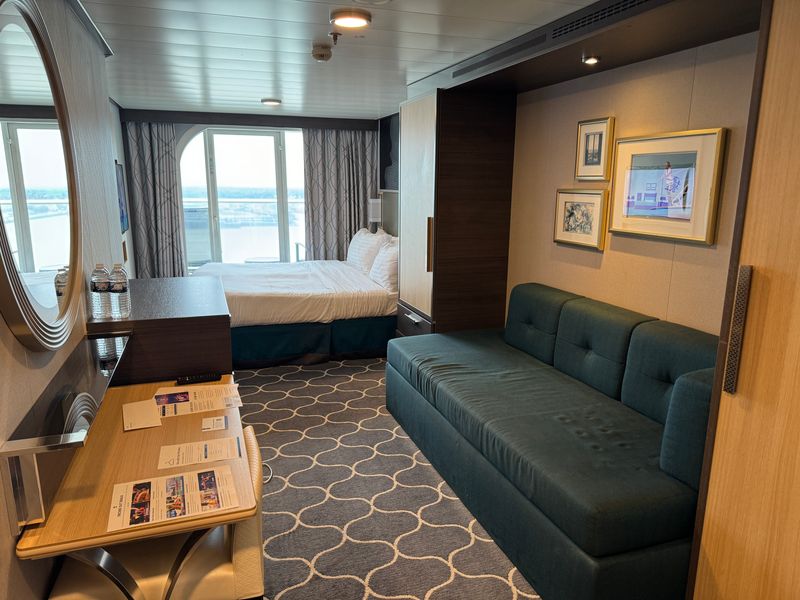
Ever found yourself battling that queasy feeling while sailing the open seas? You’re not alone, and the good news is that your cabin choice could hold the secret to smoother sailing.
Oceanview rooms have more to offer than just breathtaking vistas; they can also play a pivotal role in keeping motion sickness at bay. With natural light flooding in and fresh ocean air readily accessible, these cabins create an environment that can calm your senses and redefine your sailing experience.
In this article, we’ll dive into the top five reasons why opting for an oceanview cabin might just be the answer to your seasickness woes, along with some handy tips for picking the perfect spot. So, let’s set sail toward calmer waters!
Benefits of Ocean View Cabins
If you’re gearing up for a cruise adventure and the risk of seasickness is lurking at the back of your mind, consider snagging an ocean view cabin. They’re not just about pretty photos – there’s more to these cabins than meets the eye.
Enhanced Natural Light
Natural light is a game changer, and ocean view cabins have it in spades. Even if you’ve got an obstructed view, the daylight spilling in can brighten your stay, quite literally. Plus, being located below balcony cabins generally means less perceptible movement. This is a sweet spot for anyone worried about motion sickness symptoms. Not to mention, these cabins are often close to dining areas on the lower decks, so you can enjoy your meals with minimal disturbances. Trust us, no one likes their soup sloshing around during dinner!
Access to Fresh Air
Here’s the magic trick: fresh air. When you’re feeling a bit off with seasickness symptoms like nausea or dizziness, cracking open a window or veranda door could do wonders. Being able to glance at the horizon can help steady that inner ear confusion causing your woes. While some might prefer to keep the curtains drawn when the ship’s in motion, having a peep at the view when docked is a treat. Consider it your ally in the battle against the effects of motion sickness.
Psychological Comfort from Views
Sometimes, it’s all in your head – literally. Viewing the endless ocean expanse can help your brain reconcile what’s happening around you versus what you’re feeling inside. For many, seeing the horizon is an excellent trick for sorting out sensory mismatches that cause seasickness. That said, there’s a fine line; some folks find an open view might actually make them more aware of the ship’s sway. If this sounds like you, cozy up behind closed curtains on rough days. Ultimately, the key is finding that sweet spot where your senses and comfort coexist peacefully.
So when plotting your perfect cruise, keep in mind that where you sleep could make all the difference. An ocean view cabin could be your ticket to smooth sailing both inside and out!
Cabin Location and Its Impact on Motion
Choosing the right cabin location on a cruise ship can significantly affect your feelings of seasickness. One key factor is the visibility of the horizon. Inside cabins, which lack a view of the horizon, may increase the risk of seasickness. This happens because the brain and inner ear experience a disconnect in detecting motion. Some cruise lines offer artificial windows using TV cameras to simulate an outdoor view, but these are not as effective as the real thing.
Aft cabins, located at the back of the ship, typically experience more up-and-down motion rather than side-to-side rolling, which can sometimes be more tolerable for those prone to seasickness. Meanwhile, cabins at the front of the ship encounter more motion due to being more exposed to the movement of water. Even balcony cabins at the front can be too windy and therefore uncomfortable, which can further exacerbate motion sickness symptoms.
Mid-ship Location Advantages
Mid-ship staterooms are considered ideal for travelers who are prone to seasickness. These cabins are the most stable on the ship, experiencing significantly less motion compared to those located at the front or back. Staying closer to the waterline also helps minimize motion, so mid-ship cabins on lower decks are generally preferable to higher accommodations.
Having a view of the horizon from a mid-ship cabin can help reconcile sensory information and lessen motion sickness. The reduced variation in movement mid-ship really makes a difference, providing smoother sailing from the ship’s stabilizers and design features. Booking a mid-ship stateroom is one of the best ways to enhance your cruise experience, reducing the feeling of motion.
Upper Deck vs. Lower Deck Experiences
When it comes to choosing between upper and lower decks, keep in mind that lower decks in the middle of the ship are the most stable. These staterooms experience less motion than those located on higher decks or at the ship’s front and back. Booking a cabin with a window or balcony is beneficial, as access to fresh air and a view of the horizon can help alleviate the symptoms of seasickness.
Lower decks typically face less movement than higher decks, making them a preferred choice for anyone with a tendency towards motion sickness. An outside cabin that offers visual access to the horizon significantly impacts the severity of seasickness by balancing visual and vestibular system inputs. Conversely, higher decks are more susceptible to movement from wind and waves, especially in the front, increasing the likelihood of seasickness.
Remember, finding the perfect cruise cabin requires a little planning, especially if you’re hoping for smooth sailing. Considering the deck plans and choosing the right stateroom location can offer a more stable and enjoyable cruise adventure.
Motion Sensation and Ship Design
When you’re gearing up for a cruise adventure, the last thing you want is to spend your cruise vacations combatting seasickness. The feeling of motion can turn your perfect cruise into a real headache. Thankfully, ship design can play a crucial role in minimizing those nausea-inducing sway sensations.
Imagine this: as you book your stateroom, picture a cabin right in the middle of the ship, maybe even on the lower deck. This is your sweet spot—less sway equals less chance of feeling queasy. The rocking at the ship’s extremities is much more pronounced, so hang tight in the center to keep things steady. Also, cabins on higher decks can be a bit more like a rollercoaster ride. If you’re prone to seasickness, stick to the lower decks and mid-ship areas.
Here’s a pro tip: If you can snag an outside cabin with a view of the horizon, do it! Fresh air and a good vantage point provide your body with visual cues that can help settle your stomach. But avoid the interior cabins like the plague—they can make your symptoms of seasickness worse by messing with your senses.
Understanding Ship Stabilization Features
Modern cruise ships are seriously high-tech when it comes to smooth sailing. Think of stabilizers like the secret, unsung heroes in motion sickness management. These nifty fins extend from the ship’s sides to reduce rocking, like giant balancing arms keeping your cruise experience serene.
If you’re all about peace of mind, opt for the bigger, mainstream cruise lines. They typically boast ships with advanced stabilizing technology—and bigger generally means better for reducing the feeling of motion. For example, Royal Caribbean’s Quantum-class ships come packed with gyroscopes to combat turbulent conditions.
But even with all this fancy tech, remember that the sea can be unpredictable. A cabin closer to mid-ship and near the waterline gives you an extra layer of stability. Still, it’s wise to avoid cruising during stormy seasons if you’re particularly sensitive.
Effects of Ship Size on Motion
Size matters—a lot, actually, when it comes to motion on the high seas. Larger cruise ships are like the gentle giants of the ocean. Their sheer size acts as a buffer against the whims of the waves, meaning they’re less likely to toss you around like a rag doll.
On smaller ships, though, every wave nudges you to one side or the other, increasing the risk of seasickness. So, if you want a smooth ride, aim for those bigger vessels that are more stable and built to handle rough seas better.
Let’s check out a quick comparison:
| Ship Size | Motion Sensation | Stability Features |
|---|---|---|
| Small | High | Limited |
| Medium | Moderate | Standard |
| Large | Low | Advanced |
Opting for larger ships with their robust stabilization systems will help keep the effects of motion sickness to a minimum. But let’s be real—no ship is totally immune to Mother Nature’s mood swings, so always pack your go-to motion sickness pills or patches just in case. Keep an eye on the weather forecast and plan your cruise itineraries carefully. With the right prep, your perfect cruise can still be within reach!
Personal Factors That Influence Seasickness
When it comes to enjoying a beautiful cruise vacation without the worry of seasickness, understanding the personal factors that can influence your experience is key. Whether you’re a seasoned cruiser or planning your first cruise adventure, knowing what makes you tick (or seasick) can enhance your journey on the open ocean.
Individual Susceptibility to Seasickness
Seasickness, a bothersome form of motion sickness, doesn’t affect everyone in the same way. Some folks might be more susceptible than others based on their personal history. Women and children tend to find themselves on the sensitive side, as do those with a family history indicating a genetic predisposition. Additionally, migraine sufferers may have an increased risk of experiencing motion sickness symptoms. For children aged 2 to 12, extra preventative measures are wise. Pregnant women, too, should be particularly cautious. We all know cruise ships move differently than cars and planes, but for those who’ve experienced motion sickness in those environments, a cruise can be just another adventure in managing seasickness.
Role of Diet and Hydration
Choosing your meals wisely is crucial on a cruise to mitigate the risk of seasickness. Opt for bland foods and steer clear of greasy or acidic dishes, especially on day one. Carbonated drinks like ginger ale paired with light meals can help keep nausea at bay, while green apples and ginger candies are popular choices for combating that pesky unsettled stomach. Remember to stay hydrated – dehydration can worsen motion sickness symptoms, so ease off the alcohol and keep drinking water on the agenda.
Importance of Relaxation Techniques
Relaxation is more than just a suggestion; it’s a strategy. Getting enough sleep before you embark is vital, as being well-rested helps fend off the effects of motion sickness. Anticipation is the name of the game here: Taking motion sickness pills or using a motion sickness patch like Transderm Scop proactively can help ensure smooth sailing. Light snacks every few hours are a stomach’s best friend, helping keep that queasy feeling at bay. Don’t underestimate the power of simple relaxation techniques—natural remedies like ginger, peppermint, and the use of acupressure wristbands can provide relief. And of course, nothing calms quite like fresh air and something beautiful to focus on, like an ocean view from your stateroom window. Whether you’re chilling on the upper deck with the waves in sight or enjoying your night cruise under the stars, these vistas can be more than picturesque—they can be perfect for minimizing your risk of seasickness.
In the vast world of cruise adventures, being prepared and informed makes all the difference in enjoying a perfect cruise experience. So, whether you’re browsing deck plans, evaluating cabin location, or researching modern cruise ships and itineraries, keep these personal factors in mind to reduce the feeling of motion and keep those seasickness symptoms at bay.
Downsides of Ocean View Cabins
If you’re planning your next cruise vacation, an ocean view cabin may seem like the perfect way to enjoy those stunning seascapes, but it’s not all sunshine and smooth sailing. Let’s dive into some possible downsides.
Lack of private outdoor space
One downside to ocean view cabins is the lack of private outdoor space. Unlike balcony cabins, which offer a personal slice of outdoor paradise, ocean view cabins keep you behind glass. While you might get a glimpse of the ocean to help with seasickness (as a visual reference can sometimes stabilize the symptoms), you’re left without an outdoor area to step into whenever you fancy feeling the sea breeze.
This can be quite limiting, especially if the cabin feels cramped with several occupants. Not having a personal outdoor space can affect your ability to check outside weather conditions comfortably. So, if you’re weighing your options, you might find that the extra cost of a balcony is worth the splurge for the added space and accessibility.
Potential noise from outside
Another hiccup with ocean view cabins is potential noise. These cabins can be adversely affected by the hustle and bustle inherent to cruise vacations. It’s essential to wisely choose a stateroom location to avoid noise from bars, theaters, or bustling restaurants, especially if you’re one for quiet evenings.
While cruising has its lively moments, not everyone wants to hear the thundering bass from a theater or the sound of moving chairs late at night. To minimize disruptions, consult the deck plan before booking. Selecting a cabin on lower decks and in a midship location can help reduce noise from above and the sensation of motion, potentially easing seasickness symptoms.
In short, while ocean view cabins can make the cruise experience more pleasant, remember they have their quirks. Weigh these factors carefully, and consider all options against your personal priorities to find the perfect cruise setup that lets you lean back and enjoy the voyage.
Tips for Choosing the Right Cabin
Choosing the right cabin on a cruise ship is more than just picking a cozy spot with a lovely view—it’s essential to minimizing the effects of seasickness. Here, we share some handy tips to help you select the perfect cabin location that will keep you rocking to the music, not to the waves!
Evaluating Cabin Location Options
- Mid-Ship on Lower Decks: For those prone to seasickness, selecting a stateroom mid-ship and on the lower decks is a smart move. These areas generally feel less of the ship’s sway, offering a smoother sailing experience.
- Avoid the Bow: While the front of the ship might seem exciting, it’s also where you’ll feel the most motion. If seasickness is a concern, aim for a cabin mid-ship instead.
- Consider the Weather: If your cruise itinerary includes routes during potential stormy seasons, like the hurricane season in the Caribbean, it’s wise to factor this into your cabin choice. A lower deck location can reduce the feeling of motion in choppy seas.
- Away from the Noise: Proximity to bars and theaters can mean more noise disturbances. If you’re looking for a quieter night cruise experience, think about noise levels when selecting your cabin.
Consulting Cruise Line Recommendations
When booking your perfect cruise, it’s always a good idea to seek advice from the cruise line itself or a seasoned travel advisor. Here are some tips they might offer:
- Balcony or Veranda Cabins: First-time cruisers might enjoy the comfort of a balcony or veranda cabin. Not only does it offer fresh ocean air that can help with mild motion sickness symptoms, but having that private outdoor space is also pretty fabulous!
- Aft-Facing Verandas: These cabins often have more interior space and come with expansive balconies. Plus, they provide a wonderful view of the ship’s wake—a mesmerizing sight that many find calming.
- Expert Advice: Engage with a travel advisor or consult the cruise lines directly to get insights and recommendations tailored to the specific ship. They can guide you on deck plans and stateroom locations to ensure your trip is everything you dreamed of, minus the queasy moments.
Choosing the right cabin can make or break your cruise adventure. Remember to plan according to your needs and priorities to maximize comfort and minimize seasickness. Safe and smooth sailing awaits!
Conclusion: Making Informed Choices for a Smooth Cruise Experience
Booking the right stateroom is key to minimizing the risk of seasickness. Opt for a cabin in the middle of the ship on a lower deck, where the feeling of motion is less noticeable. Larger cruise ships with stabilizers and advanced technologies like gyroscopes can make your cruise experience more stable, reducing motion sickness symptoms.
Having a window or porthole in your room is beneficial. It allows your eyes to sync with the ocean’s movement, helping recalibrate your balance. Fresh air and keeping your eyes on the horizon are simple yet effective strategies for combating the effects of motion sickness.
Here are a few additional tips for smooth sailing:
- Avoid Alcohol: Maintain good hydration levels by skipping alcohol and stimulants.
- Ginger Products: Consider natural remedies like ginger candies or ginger ale.
- Medications: If needed, take motion sickness pills or use a motion sickness patch.
Finally, choose a cruise line and itinerary that suits your preferences and consider buying travel insurance. Making these informed choices can significantly enhance your cruise adventure. Enjoy your cruise without the worry of seasickness hampering your perfect getaway!
