Roatan, Honduras: High Crime Rates and Safety Concerns
The Caribbean offers a quintessential cruise experience, with its turquoise waters, sun-drenched beaches, and vibrant cultures drawing millions of visitors each year. In the first half of 2025 alone, the region welcomed approximately 18.5 million international tourists, a testament to its enduring appeal. While the vast majority of these visits are safe and memorable, the reality of travel includes navigating varying levels of risk. Certain ports, due to complex socio-economic factors, have developed reputations for higher crime rates that can impact unwary travelers.
This guide is not intended to incite fear but to empower you with awareness. Understanding the specific challenges of a destination is the first step toward mitigating risk and making informed decisions. By differentiating between petty theft and more serious concerns, and by recognizing situations that require heightened vigilance, travelers can better prepare for their time ashore. This article provides a researched overview of ten Caribbean cruise ports where exercising increased caution is advisable, followed by actionable safety strategies to help ensure your voyage remains a positive experience.
Roatan, Honduras: High Crime Rates and Safety Concerns
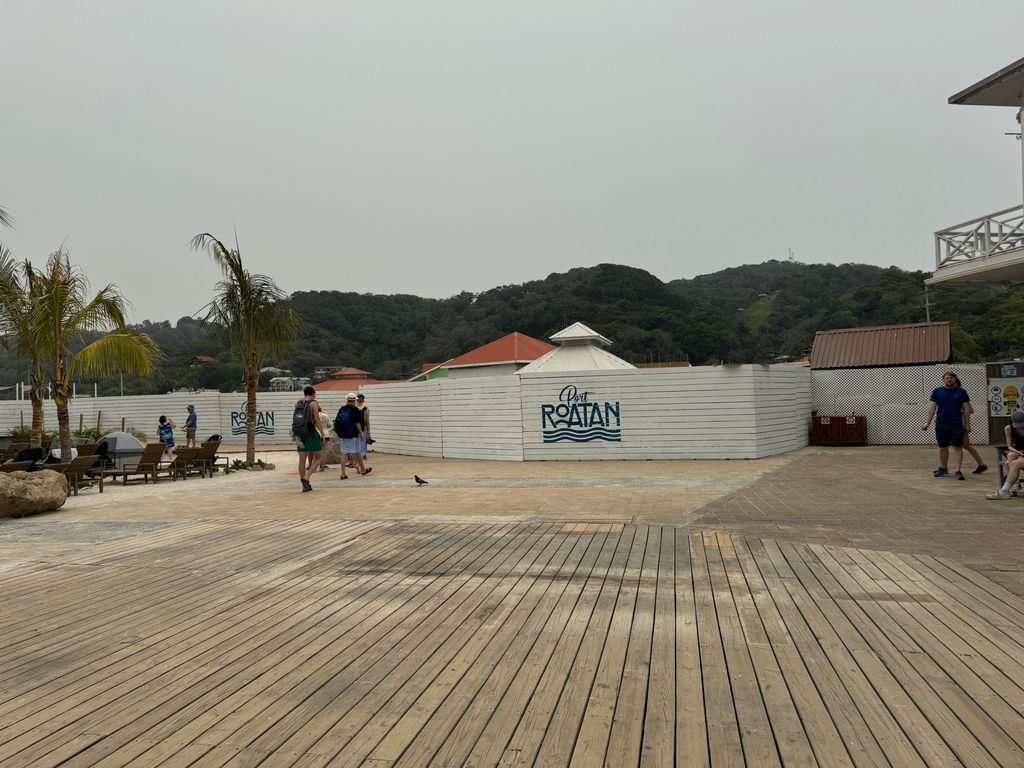
Roatan is a stunningly beautiful island, renowned for its world-class diving and lush landscapes. However, mainland Honduras struggles with one of the highest crime rates in the world, and some of this criminal activity has unfortunately spilled over to its tourism-dependent island. While major cruise port areas like Mahogany Bay and Coxen Hole have a significant security presence, venturing beyond these controlled zones requires a high degree of caution.
The primary risks for tourists include armed robbery, assault, and property crime. Independent travelers who rent scooters or cars can be targeted. It is strongly advised to avoid displaying signs of wealth, such as expensive jewelry or large amounts of cash. Sticking to cruise line-sponsored excursions is often the safest way to explore the island, as these tour operators are vetted and typically travel in secure groups. Walking alone, especially after dark or in remote areas, is highly discouraged.
Margarita Island, Venezuela: Political Turmoil and Insecurity
Once a bustling Caribbean hotspot, Margarita Island has been profoundly affected by the ongoing political and economic crisis in Venezuela. The collapse of the national infrastructure has led to widespread shortages of food, water, and medicine, fostering a desperate environment where crime has flourished. Consequently, most major cruise lines have suspended calls to this port for the foreseeable future.
For any traveler arriving by other means, the risks are severe. Armed robbery, kidnapping, and carjacking are significant threats, even in areas previously considered safe. Government travel advisories from numerous countries, including the United States, strongly caution against all travel to Venezuela. The security situation is volatile and unpredictable, and basic services cannot be guaranteed. Until there is significant and sustained improvement in the country’s stability, Margarita Island remains a high-risk destination.
Port-au-Prince, Haiti: The Heart of Danger
Haiti faces immense challenges, including extreme poverty, political instability, and a lack of effective law enforcement, which have created a perilous security environment. The capital, Port-au-Prince, is particularly dangerous, with violent crime, including kidnapping for ransom, being a common and serious threat. In 2024, the situation escalated to the point where more than 5,600 people were reported killed in Haiti amid rampant gang violence.
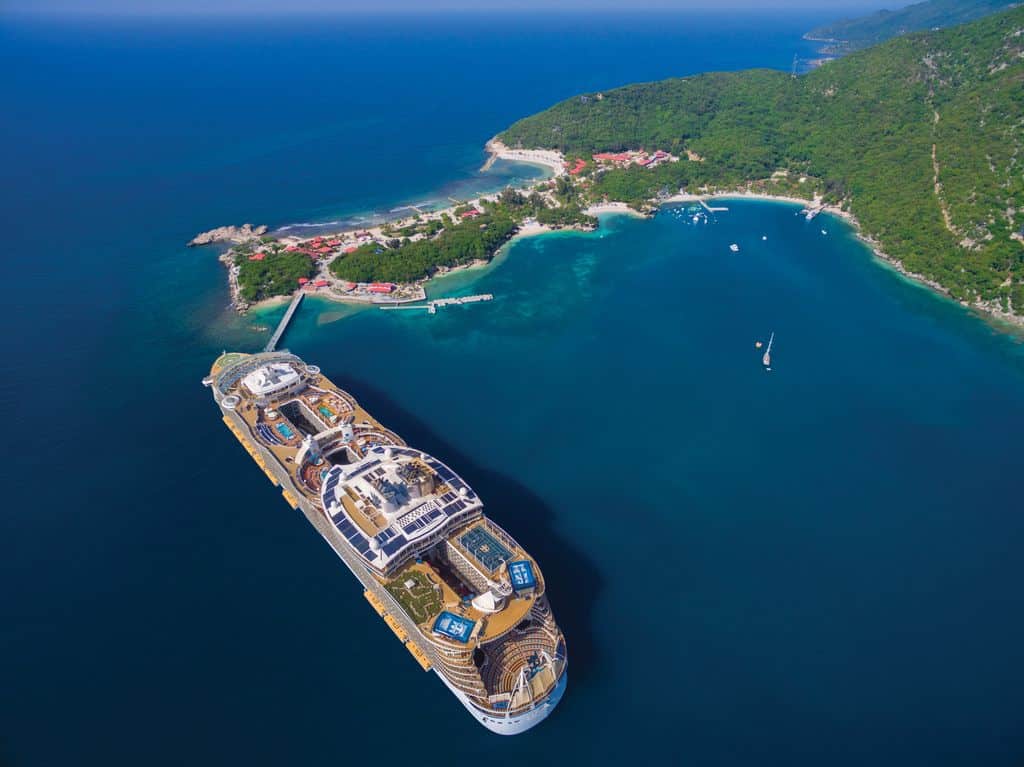
Most cruise lines do not dock in Port-au-Prince. Instead, Royal Caribbean operates a private, fenced-in resort on the northern coast called Labadee. This destination is isolated from the rest of the country and has its own private security force, making it a secure bubble for cruise passengers. While Labadee itself is considered safe, it’s crucial for visitors to understand that their experience there is not representative of the broader conditions in Haiti. Independent travel beyond this secure enclave is extremely dangerous and strongly advised against.
Kingston, Jamaica: Street Crime and Tourism Challenges
While many cruise ships dock in the more tourist-focused ports of Ocho Rios, Falmouth, or Montego Bay, any itinerary including Kingston requires heightened awareness. As Jamaica’s capital and largest city, it grapples with significant gang-related violence and a high homicide rate. In 2022, the country recorded a homicide rate of 49.4 per 100,000 people, one of the highest in the region.
Tourists are not typically the primary targets of gang violence, but they can easily become victims of opportunistic street crime, such as armed robbery and theft, particularly in certain downtown areas. It is critical to avoid walking in unfamiliar neighborhoods, especially after dark. Utilizing licensed taxis and pre-booked, reputable tours is essential for safe navigation. Visitors should remain vigilant, avoid public demonstrations, and refrain from displaying wealth to minimize their risk profile.
Nassau, Bahamas: Petty Theft and Tourist Scams
Nassau is one of the busiest cruise ports in the world, welcoming millions of passengers annually. This high volume of traffic also makes it a prime location for opportunistic crime. While violent crime against tourists is not widespread, petty theft, such as pickpocketing and bag-snatching, is common in crowded areas like the Straw Market and Bay Street.
Visitors should be particularly cautious in the “Over-the-Hill” area (south of Shirley Street), which is known for higher crime rates and should generally be avoided. Another concern is the prevalence of tourist scams, including rigged jet ski rentals where operators demand exorbitant fees for alleged “damages.” It’s also wise to be firm but polite with aggressive street vendors. Staying in well-trafficked tourist zones during the day and avoiding walking alone at night can significantly reduce risks.
Saint Thomas, U.S. Virgin Islands: A Rising Tension
Saint Thomas is a popular and beautiful port, but it has experienced a noticeable increase in crime in recent years. While the main tourist areas like Charlotte Amalie are generally safe during the day, visitors should exercise caution. Property crime is the most common issue, but incidents of robbery and assault have been reported.
Travelers are advised to be particularly careful at isolated beaches or viewpoints, as these can be targets for criminals. Locking car doors and keeping valuables out of sight is crucial if you rent a vehicle. At night, it is best to stay in well-lit, populated areas and use reputable taxi services rather than walking. As in many ports, awareness of your surroundings is your most effective tool for staying safe and ensuring a trouble-free visit.
Cozumel, Mexico: Navigating Safety in Paradise
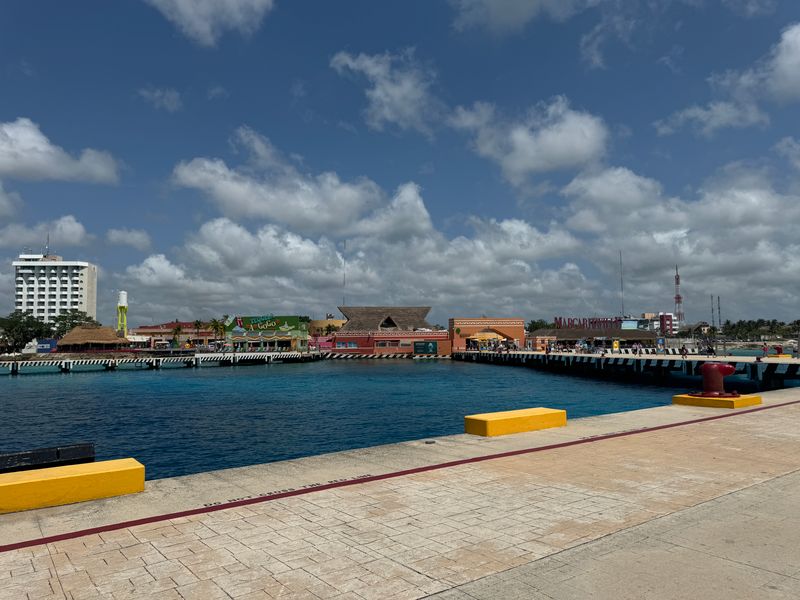
Cozumel is largely considered a safe destination, especially when compared to mainland areas of Quintana Roo like Cancun and Playa del Carmen. The island’s economy is heavily dependent on tourism, and local authorities work to maintain a secure environment. However, its popularity also attracts petty criminals. The main risks here are minor theft, pickpocketing in crowded downtown San Miguel, and various scams.
One common issue involves scooter and car rentals. Unscrupulous vendors may try to charge for pre-existing damage or operate with inadequate insurance. Always document the vehicle’s condition with photos before leaving the lot. Tourists should also be cautious about over-imbibing, as intoxication can make one an easy target for theft or other crimes. Stick to reputable tour operators and be mindful of your belongings to enjoy all that this beautiful island has to offer.
Philipsburg, Sint Maarten: Caution in the Caribbean
Sint Maarten, the Dutch side of an island shared with French Saint-Martin, is a vibrant cruise destination. Philipsburg’s boardwalk and shopping district are popular with visitors, but like any busy tourist hub, it presents opportunities for crime. The primary concerns are petty theft and robbery. Visitors should be cautious about leaving bags unattended on the beach and should secure valuables in their vehicle’s trunk if driving.
It’s advisable to avoid walking in unlit or unfamiliar areas after dark. Some neighborhoods outside the main tourist zones have higher crime rates. When exploring, stick to well-populated areas and consider using ship-sponsored excursions or licensed taxis for transportation to more remote parts of the island. Being vigilant and making sensible choices is key to a safe experience.
San Juan, Puerto Rico: Mixed Safety Ratings
As a major transportation and tourism hub, San Juan offers a mix of experiences. The primary tourist areas, such as Old San Juan, Condado, and Isla Verde, are heavily policed and generally safe for visitors, particularly during the day. However, like any large city, it has areas with significant crime problems. The risks for tourists in the main zones are primarily crimes of opportunity: pickpocketing, purse snatching, and car break-ins.
Visitors should exercise caution when venturing outside these core tourist districts. It is important to be aware of your surroundings, especially in crowded settings or when withdrawing money from an ATM. At night, stick to well-lit main streets and consider using a ride-sharing service or taxi instead of walking long distances. By staying alert and securing personal belongings, travelers can safely enjoy the rich history and culture of this dynamic city.
Safety Tips for Cruise Travelers: Staying Secure at Ports
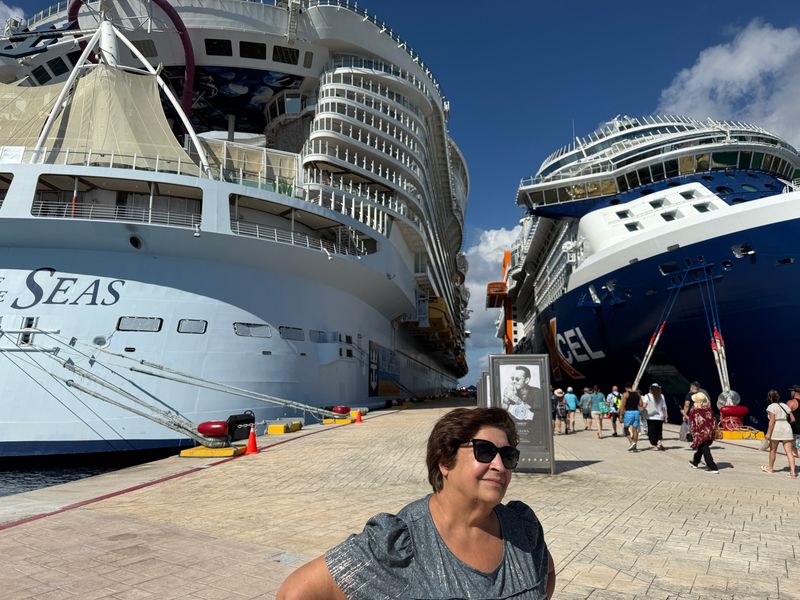
While certain ports require more vigilance than others, a proactive approach to personal security can protect you anywhere you travel. Applying a consistent set of safety practices is the best way to ensure your shore excursions are both enjoyable and trouble-free.
- Research Before You Go: Before your cruise, research each port on your itinerary. Read recent traveler reviews and check for official government travel advisories to understand the current security climate.
- Book Vetted Excursions: Especially in higher-risk ports, booking shore excursions directly through the cruise line provides a significant layer of security. These operators are vetted, insured, and follow established safety protocols.
- Blend In, Don’t Stand Out: Avoid making yourself a target. Leave expensive jewelry, watches, and electronics on the ship. Dress modestly, and don’t flash large amounts of cash. Carry only what you need for the day.
- Stay Aware of Your Surroundings: Pay attention to who is around you. Avoid distractions like being engrossed in your phone, especially in crowded markets or on public transportation. Trust your instincts; if a situation or area feels unsafe, leave immediately.
- Secure Your Valuables: Use a money belt or a secure, anti-theft bag worn on the front of your body. Never leave your belongings unattended on a beach or at a table.
- Travel in Groups: There is safety in numbers. Whenever possible, explore with family or friends rather than on your own, particularly if you are venturing away from the main tourist areas.
- Use Reputable Transportation: Only use licensed taxis or reputable ride-sharing services. Agree on a fare before starting your trip to avoid being overcharged.
Conclusion
A Caribbean cruise remains one of the most rewarding ways to experience the beauty and diversity of the region. The purpose of highlighting these specific ports is not to discourage exploration but to foster a mindset of informed and prepared travel. By understanding the unique challenges of each destination and adopting smart safety practices, passengers can dramatically reduce their vulnerability to crime. The ultimate goal is to return home with wonderful memories, and that begins with prioritizing personal security. A well-informed traveler is an empowered traveler, ready to navigate the world confidently and safely.
