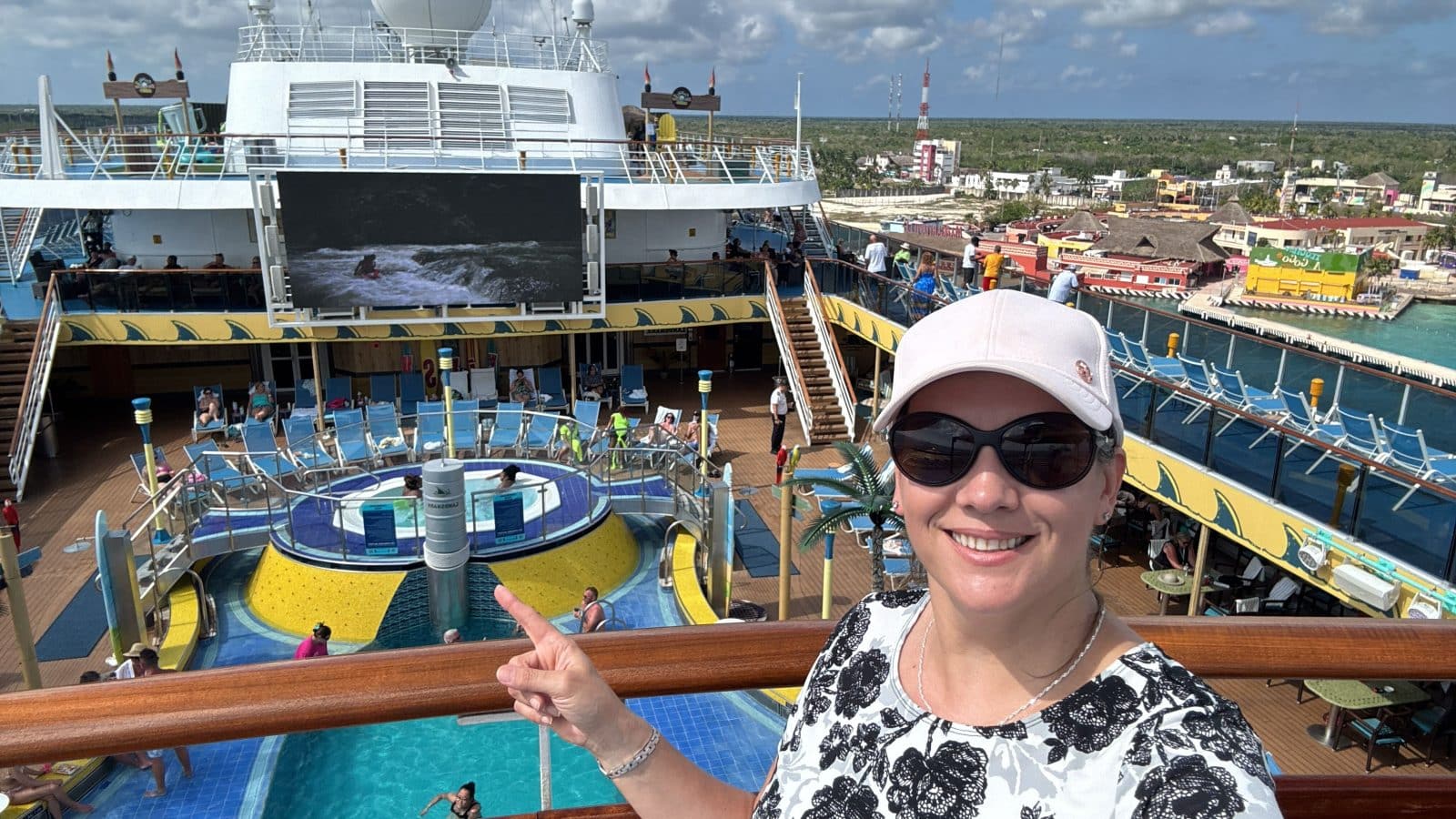
Cruises are often celebrated as an all-inclusive vacation option, offering travelers an easy way to bundle accommodations, meals, and entertainment into one convenient package. However, while cruise fares do include plenty of amenities and activities, they don’t cover everything. Many first-time cruisers are surprised to discover that some essentials and extras come at an additional cost—and these can add up quickly if you’re not prepared.
To help you plan your next cruise vacation without unexpected expenses, this guide highlights 10 key things that are not included in the base price of your cruise. Understanding these costs ahead of time will help you create a realistic budget and avoid surprises during your trip.
1. Gratuities and Service Charges
What Are Gratuities?
Gratuities (also called service charges) are fees charged by cruise lines to compensate the hardworking crew members who ensure your vacation runs smoothly. These include your cabin steward, dining room staff, and other behind-the-scenes employees.
How Much Are Gratuities?
Gratuities are typically charged per person, per day, and the rates vary by cruise line:
- Mainstream Lines: $14–$18 per person, per day.
- Luxury Lines: Gratuities are often included in the cruise fare, but it’s always good to double-check.
For a 7-night cruise, a family of four can easily pay over $400 in gratuities. These are automatically added to your onboard account unless prepaid in advance.
Pro Tip:
If you prefer, most cruise lines allow you to prepay gratuities during the booking process, so they’re one less thing to worry about onboard.
2. Alcoholic Beverages and Premium Drinks
While most cruises include basic drinks like water, coffee, tea, and juices, alcoholic beverages and premium drinks (such as specialty coffees, sodas, and bottled water) come at an extra cost.
Drink Prices on Cruises
- Cocktails: $10–$15 per drink.
- Wine by the Glass: $8–$15.
- Beer: $6–$8.
- Soda or Specialty Coffee: $2–$5 each.
To save on drinks, cruise lines offer drink packages that provide unlimited beverages for a daily fee. Packages typically cost $50–$100 per person, per day, depending on what’s included.
Pro Tip:
Check if your cruise promotion includes a free drink package. Some cruise lines offer this as part of a booking incentive.
3. Specialty Dining Restaurants
Cruises include plenty of complimentary dining options, such as the main dining room, buffet, and casual eateries. However, specialty restaurants—offering elevated cuisines like steakhouses, sushi bars, or Italian trattorias—often come with an additional charge.
How Much Does Specialty Dining Cost?
- Flat Fee: $15–$60 per person, depending on the restaurant.
- À la Carte: Prices vary by dish (e.g., $10–$20 for appetizers, $25–$50 for entrees).
Pro Tip:
Many cruise lines offer specialty dining packages at a discounted rate if purchased in advance. This can be a good way to try multiple venues without breaking the bank.
4. Shore Excursions
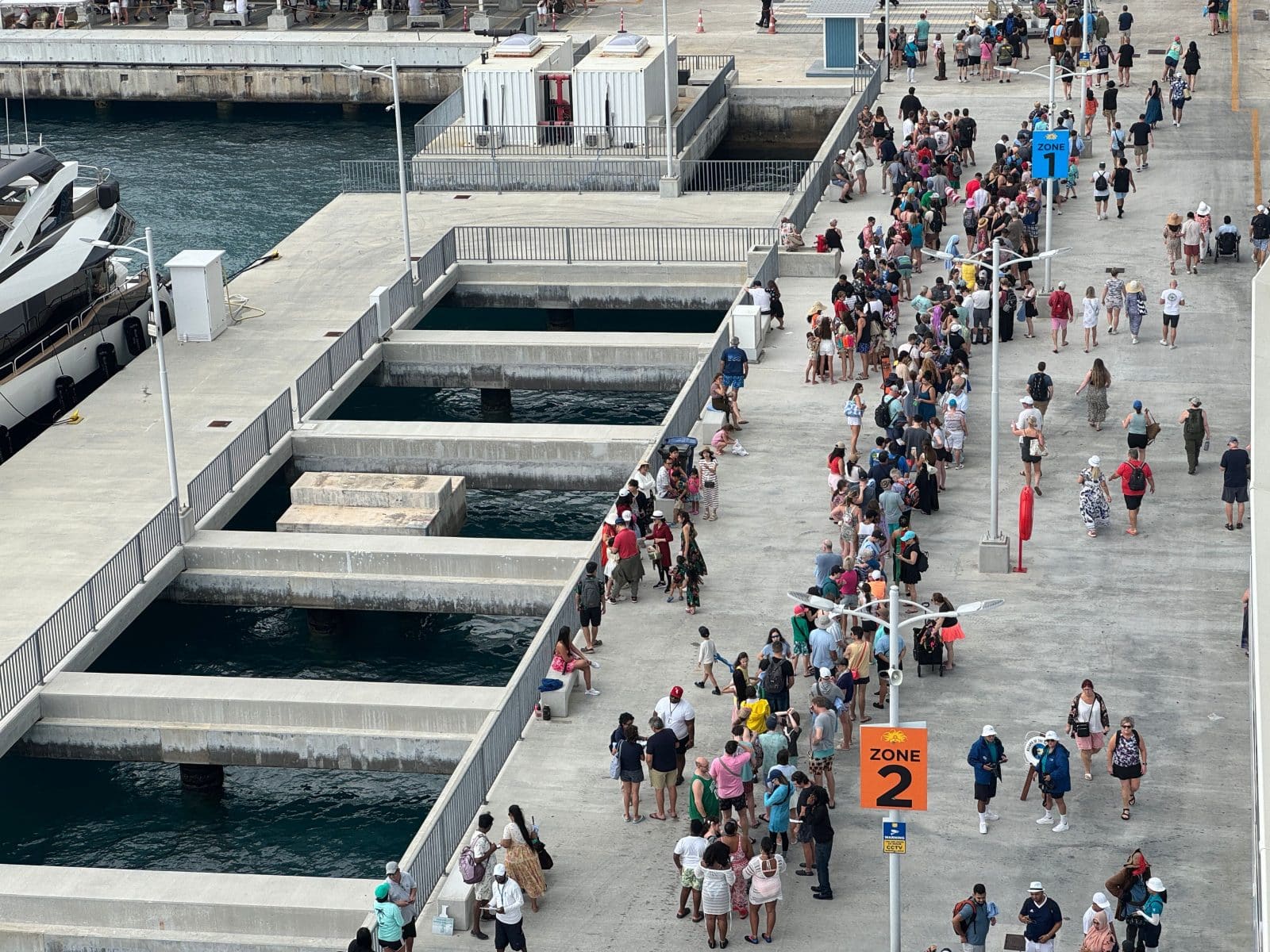
Exploring ports of call is one of the best parts of cruising, but organized shore excursions come at an extra cost. Whether you’re snorkeling in the Caribbean, zip-lining through the jungle, or taking a city tour, excursions booked through the cruise line are not included in your fare.
Typical Shore Excursion Costs
- Guided city tours: $50–$100 per person.
- Beach or snorkeling excursions: $75–$150 per person.
- Private tours or luxury experiences: $200+ per person.
Pro Tip:
To save money, consider booking excursions independently through local operators. Just be mindful of timing to ensure you return to the ship before departure.
5. Wi-Fi and Internet Access
Staying connected while at sea often requires purchasing a Wi-Fi package, as most cruise lines do not include internet access in their base fares. The cost of Wi-Fi varies depending on the cruise line and the type of package you select.
Typical Wi-Fi Costs
- $10–$30 per day, per device.
- $100–$200 for a full-cruise package.
While Wi-Fi on ships has improved over the years, it’s still not as fast or reliable as on land, especially in remote regions.
Pro Tip:
Look for promotions that include free Wi-Fi, or wait until you’re in port to connect to free internet at local cafes or hotspots.
6. Spa and Salon Services
Cruise ship spas are luxurious, offering a wide range of treatments like massages, facials, and manicures. However, none of these services are included in your fare. Access to thermal suites or relaxation areas in the spa may also come with an additional charge.
Spa Treatment Costs
- Massages: $100–$200 per session.
- Facials: $75–$150.
- Manicures or pedicures: $30–$60.
Pro Tip:
Take advantage of discounts offered on port days when fewer passengers use the spa.
7. Onboard Activities with Extra Fees

While many onboard activities are free (like trivia games, live music, and poolside fun), some premium experiences come with added charges. Examples include:
- Escape rooms.
- Virtual reality games.
- Cooking or mixology classes.
- Fitness classes like yoga or spin.
Typical Costs
- $10–$50 per activity, depending on the experience.
Pro Tip:
Look for free activities in the ship’s daily schedule or app to save money.
8. Photography and Souvenirs
Cruise ships employ professional photographers to capture your vacation moments, from embarkation photos to formal night portraits. While the pictures are high quality, they’re not included in your fare.
Photography Costs
- Individual prints: $15–$30 each.
- Digital photo packages: $100–$300.
Souvenirs from the onboard shops (such as logo apparel, jewelry, or duty-free goods) are also not included.
Pro Tip:
Take your own photos to capture memories, and set a spending limit for onboard shopping.
9. Laundry Services
If you need to wash clothes during your cruise, most ships offer laundry and dry-cleaning services for an additional fee. Some ships have self-service laundromats, but you’ll still need to pay for detergent and machine use.
Typical Laundry Costs
- Washing one shirt: $3–$5.
- Full laundry packages: $30–$50.
Pro Tip:
Pack enough clothes for your trip or bring travel-size detergent to hand wash items in your cabin sink.
10. Transportation to and from the Cruise Port
Your cruise fare only covers your time onboard, so you’ll need to budget for transportation to and from the port of embarkation. This can include airfare, taxis, or parking fees if you’re driving to the port.
Typical Costs
- Flights: Varies depending on destination.
- Parking: $15–$25 per day at the cruise terminal.
Pro Tip:
Book a pre- or post-cruise hotel package that includes free parking or airport shuttles to save money.
How to Plan for Extra Costs on a Cruise
Cruises can still be a great value, but understanding what’s not included is key to avoiding overspending. Here’s how to plan ahead:
- Research Cruise Promotions: Look for deals that include extras like free drink packages, Wi-Fi, or onboard credits.
- Set a Budget: Plan how much you’re willing to spend on excursions, drinks, and other add-ons.
- Prepay When Possible: Pay for gratuities, drink packages, or specialty dining in advance to spread out costs.
- Track Spending: Use the cruise line’s app to monitor your onboard account throughout the trip.
Final Thoughts
While cruises include a lot in their base price, it’s important to be aware of the extras that can increase your overall vacation cost. From gratuities to shore excursions to drink packages, these optional expenses can add up if you’re not prepared.
By understanding what’s not included and budgeting accordingly, you can enjoy your cruise to the fullest without any financial surprises. With careful planning, cruising remains an excellent value and one of the best ways to explore the world in comfort and style.
